
The Escalation Spiral
The Accountability Dead-End and the Admin Trauma Loop

The hard part of advocacy for me is not speaking up. It’s getting to the point where I’m so deep in waiting, so far into the complaints process, that the next roadblock is legal advice I cannot afford. That’s when you start doing the maths again, that awful little calculation you never asked to be fluent in. Is this even worth it?
It always comes back to being worth it. Which is annoying, because I’d love a life where it didn’t have to be. Sometimes advocacy is not about getting what you need right now. It’s knowing you’ve supported a friend or loved one. It’s knowing you used your voice for better care and treatment, not just for yourself, but hopefully for someone after you. But if I’m going to keep saying it’s worth it, I also have to ask what the cost is, because the cost is never just paperwork. It’s time. It’s energy. It’s trust. It’s pieces of yourself you don’t get back.
Before, the cost meant staying quiet. I learned to note down names and times, then wait to report until I was out from under a team, because I noticed that when my family complained, my treatment got worse. Silence was the safer option.
Six years on, I did not think I would still be advocating for basic dignity. I knew amputation would come with hurdles, but I wasn’t thinking those hurdles would include having to make a formal complaint for my local council to accept I’m not “too young”, and that my environment disables me now. They called it “new evidence” that matched what I’d been saying for six months, and what has been documented since 2024.
Then there’s the prosthetic. I have been without a functional leg since July 2025 because it didn’t fit and caused pain. I was called in December and told they hadn’t even got my file off the computer. Six weeks later, after the complaint was received, I was offered a next-day appointment. I was told I’d “reached the top of the queue”. My leg would be ready in 12 days. A record turnaround after waiting 3 to 8 months for my previous three prosthetics. In total, roughly 16 months out of 24 spent waiting for three prosthetics because they didn’t fit. The system works when it’s pushed, but I do not have the energy to keep applying pressure just to get basic care.
I’m sat with a response that basically says “we’re moving forward”, but nothing is repaired. The kitchen, the prosthetic delays, all of it has funnelled me into the same place again: proving, documenting, escalating.
The advocacy loop
I call this a loop because it feels like one, and because when you lay it out plainly you can see the shape of it.
Step one: need something basic to live.
Step two: get blocked.
Step three: spend your limited energy chasing.
Step four: complain.
Step five: “we’ve learned”.
Step six: wait, usually with little or no accountability and no repair.
Step seven: do it again.
Welcome to the loop.
The same loop, three systems
It can be easy to detach when it doesn’t sound human. So I’m going to give three examples using that exact structure. Unfortunately, they’re real.
1) NHS medical neglect
Need: Safety in the NHS, proper investigation for a suspected CNS leak, and care that respected consent and pain, including lumbar punctures done as agreed (with the final one using X-rays).
Barrier: Delay and denial, dismissal as “hypochondria”, pain ignored during the lumbar puncture, and the final LP with imaging never happening despite being agreed.
Self-advocacy: A friend felt unsafe and had me come sit in hospital from 6/7am until 1/2pm. They contacted PALS, contacted patient advocacy, and kept written and audio documentation.
Complaint: A formal NHS complaint and a GMC complaint, then a complaints meeting 12 months later with pages of evidence that hadn’t even been reviewed.
Outcome theatre: An apology, but responsibility blurred. “Consent is subjective.” Pressure to “focus on forward care.” Staff interviewed didn’t share the same recollection.
Escalation: The GMC complaint returned “no wrongdoing”.
Repeat (the cost): The next step becomes legal advice and a long, costly battle, which is exactly where the spiral becomes a trap.
None of these examples are isolated. They’re three versions of the same loop. A need becomes a negotiation. Time passes. Energy gets spent. The system only responds to pressure, and then acts like the pressure was the problem.
2) Wheelchair-accessible kitchen
Need: A wheelchair-accessible kitchen, not as a luxury, but to function safely and with dignity at home.
Barrier: Delay, denial, minimising. “Too young.” The reality of my environment being disabling treated like an opinion.
Self-advocacy: Written documentation explaining that standing in the kitchen is not a recovery goal, plus information about accessible kitchen rights and what the council can do, followed by chasing by phone for a decision.
Complaint: A formal Stage 2 complaint with a timeline, impacts, what I wanted as outcomes, and specific questions about decision-making.
Outcome theatre: The decision changed. Wheelchair-accessible kitchen required. Complaint not upheld.
Escalation: I emailed back with unanswered questions, got no acknowledgement after a week, then followed up with “new” information: Social Security Scotland had already said I needed an accessible kitchen before the council’s decision, and they said they’d get back to me.
Repeat (the cost): Escalation to the Ombudsman, but I’m tired. Not because I’ve given up, but because the system charges energy I do not have to spend.
The most surreal part is how a practical outcome can change while the story stays the same. Yes, the decision shifts. No, the complaint isn’t upheld. The harm is treated like a misunderstanding, not something that deserves accountability. That gap is where trust dies, and it’s also where the next spiral starts.
3) Prosthetic provision
Need: Reliable prosthetic provision that accounts for limb volume changes (weight, period, exercise) and doesn’t repeatedly leave me in pain or without a functional leg.
Barrier: Delays, manufacturing problems, long waiting lists, inconsistent communication, being told everything is fine and then finding out it hasn’t even been made yet.
Self-advocacy: Calls and chasing, repeating myself to multiple people, trying to plan my life around timelines that keep slipping.
Complaint: A formal complaint with a timeline and impact, followed up because I’m anxious about being dismissed now that the service is suddenly moving fast.
Outcome theatre: Pending, with the risk of “we’re moving forward” without repair, again.
Escalation: Depending on the outcome, escalation or moving prosthetic care somewhere more reliable, which means more travel and more burden on me.
Repeat (the cost): Even when things move, I’m left bracing for the next collapse because the pattern has taught me not to trust it.
Home adaptations and mobility are not separate categories in my life. If I don’t have a usable prosthetic, the kitchen becomes inaccessible. If the kitchen isn’t accessible, my independence shrinks. One failure multiplies another. That’s why these loops don’t stay contained. They stack.
Why the loop exists
I’m not writing this as a takedown of individual staff members. I’ve met people who are doing their best inside broken systems: good nurses, doctors, physios, civil servants. But when the same loop shows up in three different places, with different logos at the top of the page, it stops being personal. It becomes structural.
The system does not reliably move in response to need. It moves in response to pressure. It is a pressure sensor, not a support net. Escalation is treated like a nuisance, even though escalation is often the only thing that gets results. That means the complaints process isn’t just a pathway, it’s a filter. A test of endurance. It quietly filters who can keep going: who has the energy to chase, the confidence to argue, the literacy to document, the money to seek advice, the capacity to survive being disbelieved. Every time the loop repeats, you start the next round more tired, more cautious, and less able to pay the cost.
My prosthetic issues have been ongoing for years. In 2024 I was told new prosthetic technicians had been hired because demand was exceeding capacity and that this was contributing to long delays. I was encouraged to write about my experience on an NHS forum board monitored by staff. Nothing changed. At my appointment in July 2025, I showed my prosthetist a video of an adjustable socket I’d like to try because of swelling and volume changes around my period. I was told the newly hired technicians had been trained to standard, but they could not guarantee I wouldn’t be waiting another 6 to 9 months. That is exactly what happened. I was also told some prosthetics were being outsourced due to demand, but the socket I requested was more specialised, so it wasn’t something they could outsource.
I didn’t expect persistent, documented problems with prosthetic care to end up trapping me between departments (OT, prosthetics, physio) with different budgets, responsibilities, and procedures. My body doesn’t have departments. My life doesn’t have departments. But my care does. So it somehow becomes my job to fix the whole picture and advocate for shared decision-making and communication between services that should already be communicating. The only way I have found to really get results is to complain, which feels deeply uncomfortable.
Complaints processes often operate like firewalls. You need to explain in detail, in the right way, what happened, how it impacted you, and what you want as a resolution. The response often feels like a combination of diffuse, delay, apologise, and close the complaint due to risk management and liability, as if I’m not a human being fighting for basic access, but a risk to be managed. Disbelief is cheap. Belief requires action. It requires money, work, and trusting that the disabled person isn’t trying to “rinse the system”, but trying to survive it. Professionals who cast eyes over you for ten minutes can end up with more credibility than the lived experience of the disabled person who has to live with the consequences every day. What gets measured gets prioritised, and dignity, independence, and autonomy do not always fit neatly into the paperwork.
There’s a specific kind of tired that only comes from fighting for things you should never have had to justify. I’m not stuck because I’m not trying. I’m stuck because the system is built like a loop. Advocacy should feel empowering, but sometimes it feels like the price I have to pay for the same access as anyone else.
The nervous system cost
Recently, I’ve written a few times on Facebook, the place where sharing about mental health and disability began for me. Sometimes it feels easier than sitting down and writing out the whole story like this. This format takes time and energy, and mine is already limited. After sitting down and going through formal complaints, gathering evidence, writing out timelines, listing impacts, then waiting for a response on edge with hyper-vigilance, trying to explain how I feel outside of the process is hard. Advocacy drains you twice: first when you live it, then again when you have to prove it.
I’m the type of person where someone complaining in a restaurant makes me want to slide under the table and become part of the furniture. When you’ve spent most of your life trying to be as palatable as possible, it’s hard to demand better, and it’s hard to speak up instead of accepting what you’re given even when it doesn’t meet the mark. Realistically, advocating isn’t “easy” for me. It isn’t empowering in a tidy, Instagram-friendly way. It’s an intentional use of energy. I’m a recovering people pleaser, so making a complaint isn’t a casual hobby, it’s me forcing myself to take up space, risking being labelled “difficult”, and pushing when my brain is screaming to shut up, apologise, be polite and thank them for the scraps.
So when something finally shifts, the feeling isn’t pure relief. It’s relief mixed with rage. They acknowledged I need a wheelchair-accessible kitchen. That’s a win. But the sense of injustice still burns. They can’t frame a year of being messed about as a tidy administrative journey and expect me to clap politely when the complaint still isn’t upheld, not even partially. A practical outcome can change while the story stays the same, and that gap is where trust dies.
Since October I’ve had no clear reasoning, just vague comments like “too young” and “disabling”, thrown at me by multiple OTs, with no proper explanation of what was asked, what information was used, or how they reached the conclusion. Then the change in decision gets framed as “new evidence”, even though nothing about my disability has changed. They just finally decided to listen.
The “you’re so young” argument needs to be binned forever. Disability doesn’t care. You don’t grow out of it. Being an amputee with chronic pain isn’t like having the flu that clears up if I rest and drink water. It’s my actual life and my actual daily reality. The same pattern is happening with my prosthetic complaint too. Different board, different service, same struggle. I’ve been messed about for months, put in a formal complaint, and suddenly things are moving at speed. Call on Wednesday, appointment the next day, measurements done, fitting booked for 10 February. The system can move quickly when it’s pushed. The problem is that pushing costs me.
Even going through benefit paperwork does something to me. It’s not just reading forms. It’s sitting with a document that grades your life. It ramps my tremors, spikes my stress, and drags me back into that headspace of “if I look like I’m coping, I’ll be punished for it”. I’m trying to build a proper picture of what reasonable adjustments would look like in a job, I’ve even booked an appointment with a job coach, and then I stumble across something that makes my stomach drop: Social Security Scotland decided back in August 2025 that I need a wheelchair-accessible kitchen, based on input from professionals and their own health practitioner. So when the council frames their shift as “new information”, it’s hard not to hear: we ignored what was already there until we couldn’t anymore.
Now I’m in limbo again. Will the council answer the questions I’ve asked, or will it be more surface-level nonsense? There’s a very real chance this ends with me escalating to the SPSO, which means more time, more energy, more forcing myself into the role of the “difficult” person just to get basic clarity and accountability.
Because it isn’t only about a kitchen.
It’s about being denied on flimsy reasoning while professionals have documented the reality for ages. It’s about how easily disabled people are treated like we’re exaggerating until we produce the exact right proof in the exact right format. It’s about the fact that without formal complaints, systems can seem totally comfortable letting you reach breaking point as long as it keeps the process easy for them. This is why advocacy matters. It’s also exhausting. It takes so much mental resource just to get basic access, basic safety, and basic dignity. Those things aren’t a luxury. They’re a right.
What repair would actually look like
An apology is not repair if nothing changes. It is often just avoidance of accountability with polite wording wrapped around it. I have learnt to spot the non-repair moves quickly: “we’re sorry you experienced this, but…” followed by the complaint not being upheld and your questions left hanging; “we can’t change the past, focus on forward care,” as if the past did not create new trauma that now sits inside that “forward care”; “we’ve learned from this,” with no learning points, no changes you can point to, and no protection for the next person; and the one that might be the most maddening of all, a sudden burst of action after a complaint which then gets used as proof that things are fine now, so the original harm does not need named. If a service can move quickly when it is pushed, then the slow pace before that was never inevitable. It was a choice the system was comfortable with until it was highlighted.
Repair is when harm is named, responsibility is clear, and the fix is measurable. For me, a repair response has three parts.
It names what happened properly. Not vague. Not “miscommunication”. Not “unfortunate experience”. It should explain what went wrong, why it went wrong, when it was identified, why I was not told sooner, and what the impact was in real-life terms, not just a generic acknowledgement: mobility, pain, independence, mental health, housing, rehabilitation.
It makes responsibility real. I do not need scapegoats, I need ownership. That means a named team or service being responsible for putting it right, a clear route of contact that does not rely on me making repeated long phone calls, and recognition that I am disabled, live alone, and have limited energy. Accessibility applies to communication too.
It shows me the fix in a way I can track. Repair needs a timeline and a plan that survives reality, including dates for next steps and responses, clarity about what happens if deadlines slip, and concrete changes being made so the same failures do not keep happening to other people. Most importantly, it should answer the questions I asked, because unanswered questions are where the spiral restarts.
To make this less abstract, these are the kinds of things I have asked for in my complaints. This is what measurable repair looks like on paper.
Prosthetic provision: repair that matches reality
I asked for clarity, urgency, and a plan that accounts for my actual body, not an ideal version of it.
A full explanation of what went wrong: what went wrong with my recent prosthetic order, why the computer file problem occurred, when it was identified, why I was not informed sooner, and what steps are being taken to prevent similar errors in future.
An urgent clinical review and a realistic plan: whether measurements taken months ago are still clinically appropriate, a realistic timescale for manufacture and fitting of a prosthesis that is safe and wearable, and a clear plan for what happens if the new leg does not fit due to limb volume changes.
Communication and reasonable adjustments: proactive updates when there are delays or problems rather than relying on me to chase, clear written summaries after key appointments and decisions, and explicit recognition that repeated long phone calls are not a reasonable expectation for me.
Stop my prosthetic situation being used against my housing: clarity about what information has been shared with OT and housing services, whether anyone is treating “rehab potential” as a reason to delay a wheelchair-usable home, and a clear written statement that it is normal for an above-knee amputee to use a wheelchair at home while using a prosthesis for some mobility, with my consent shared with OT so future housing decisions reflect my actual situation.
Acknowledgement and apology that matches the harm: acknowledgement of the impact on mobility, housing, independence and mental health, and a sincere apology for avoidable delays and distress.
A realistic contingency plan: consideration of transferring my care if the service cannot reliably provide a wearable leg, and if transfer is not possible, a clear explanation of why and what concrete steps will be taken instead to stop me being repeatedly left without a wearable prosthesis for months at a time.
That might look “demanding” to someone reading quickly. To me it is the minimum standard of repair: explanation, prevention, a workable plan, and a commitment that my life will not keep collapsing due to service issues, resetting any progress I make. Because this just ends up making it more difficult to pick myself back up and try again.
Wheelchair-accessible kitchen: repair is not just changing the decision
The kitchen situation is the clearest example of outcome theatre. The decision can change, but the story stays the same unless the system is willing to name what went wrong.
I asked for three things: review, transparency, and a route forward that respects current reality, including a review of the decision in light of my day-to-day wheelchair use at home, the long-term instability of my prosthetics, the reality that I remove my prosthesis at the door and use my wheelchair indoors, and the fact I’m being asked to wait for hypothetical future gains while living in an environment that disables me now.
I asked for transparency about decision-making: what exactly was asked of prosthetics services, when, and what was said in response, whether questions were about theoretical “potential” rather than my real pattern of wear and function, how my lived experience was weighted against external opinion, and how language like “too young” and “a wheelchair kitchen is disabling” was used, including whether there has been reflection on how ableist that framing is even if it was unintentional.
I asked for an assessment of function that matched the decision being made, because if the decision was about kitchen function then kitchen tasks should have been observed, and if they were not, I needed a clear explanation for how the assessment was considered adequate.
I asked for a constructive way forward: either a plan to progress wheelchair adaptations, or clarity on what further information is needed and what the next steps are, with a route forward that does not leave me indefinitely stuck in an inaccessible kitchen while I wait on uncertain prosthetic outcomes.
I asked for accountability beyond my individual case, including a response to my statement of impact rather than a generic apology, and evidence of learning that would protect the next disabled person who does not have the health, support or confidence to fight this hard.
I asked about the small things that are not small too, like garden maintenance and access, because “not our responsibility” when it was agreed to previously becomes another task dropped back onto the disabled person to chase across departments. When the council later agreed the kitchen should be progressed, I still needed clarification. Not because I enjoy arguing, but because I needed the decision-making to make sense. If the system can flip the outcome without acknowledging that the original reasoning was flawed, then nothing is repaired.
It is just rearranged.
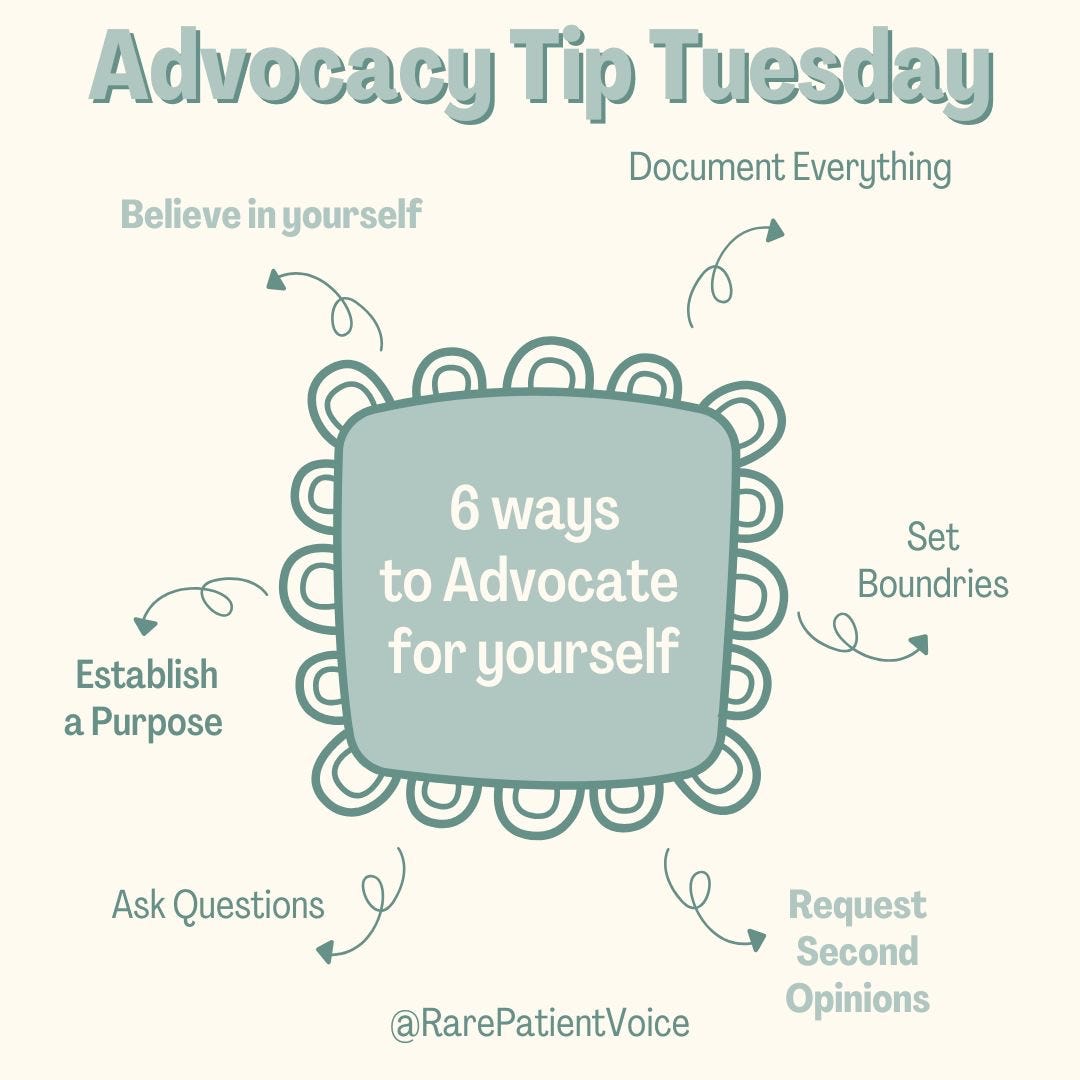
I am not asking for perfection. I am asking for repair. Trust regrows when I do not have to escalate just to be taken seriously, when my lived experience is treated as evidence and not inconvenience, and when systems stop treating access like an optional extra and start treating it like what it is.
A right.
If a service cannot provide that, then the honest repair response is not “we’re moving forward”. It is a clear plan for how it will change, who owns it, and what happens next time, so the loop does not keep eating people alive.
Relatable read, thanks becca 🤍